Kohi Pōneke – We Collect Wellington


Introducing Kohi PōnekeWe Collect Wellington,’ an online series showcasing new taonga and objects collected by Wellington Museum. 

We will be sharing with you treasures from our collection store and highlighting objects on display in Te Whanganui-a-Tara that celebrate the people and the events that have shaped the character and soul of Pōneke and the region. 

To offer an object or taonga to Wellington Museum, contact us first at [email protected]. Our curatorial or collections staff will then get in touch with you. Please do not bring objects or taonga to Wellington Museum without contacting us first.

Walk Shorts


Walk shorts, long socks, a shirt and tie were worn by many male public servants from the 1950s to 1980s. The ‘style’ had its origins in the khaki drill shorts of New Zealand soldiers in the Second World War.

 
Walk shorts were also popular in Australia and South Africa, but strangely nowhere else…
 
Permitted by the State Services Commission from 1958, they were more comfortable than trousers, allowing public servants to ‘free the knee’ on hot summer days.
 
Initially they were only allowed to be in “white, grey or fawn”, but within years green, brown and checked shorts were commonplace. The peak period for walk shorts was the early 1970s. By the mid-1980s they were losing their hold on male legs and replaced by the even shorter Stubbies… but that’s another story.
 
Wellington Museum’s walk shorts, shirt and tie belonged to John Ackrill, a surveyor with the Marine Division of the Ministry of Transport, who says they were, “much more comfortable – and less restrictive – to wear under a boiler suit; most of my colleagues felt the same.”

Tapu Te Ranga – pou whenua


I puāwai mai a Tapu Te Ranga Marae i te tau 1974 i Paekawakawa, i raro i te kaitiakitanga a Bruce Hirini Stewart (Ngāti Kirihika, Waitaha-a-Hei) (1936-2017). He kaitito whakaari a Bruce, he ringa auaha, he tangata matawhānui. Ko tōna tirohanga whakamua mō Tapu Te Ranga he oranga wairua, he oranga ā-pūtea, he whare taonga, he whare toi, he whare wānanga, he kāinga noho.

I hangaia ngā whare ki ngā rawa hangarua. I roto i ngā tau, ka tupu ērā whare i raro i tā Bruce kaitiakitanga kia maha ngā taumata. He tohu whakamaumahara te marae ki tō Bruce whaea, ki a PareHinetai Hirini.

I ārahi a Bruce i ngā tāngata e noho ana i te marae ki te whakairo i tēnei pou kia rongo ai rātou i tō rātou mana i roto i te hapori. Ko tēnei tētehi o ngā pou i tū ai i te waharoa o te marae.

E hia mano ngā hāora i pau i a Bruce rātou ko tōna whānau, ko ngā tūao maha, e whakatō rākau taketake ana ki ngā puke e karapoti ana i te marae. Ko te hua o ā rātou whakapaunga kaha ko te reo rōreka a ngā tini manu e ora ana i aua puke.

Ka tū tonu te marae mō ētahi tau i muri mai i te hinganga o Bruce, kātahi ka pāngia e te ringa kaha o Aituā. Nō te tau 2019, ka wera ngā whare matua i te ahi. E ū tonu ana te whānau me ngā kaihāpai ki tō rātou whakapono ka whakatū anō rātou i a Tapu Te Ranga Marae.


Tapu Te Ranga Marae began life in 1974 in Paekawakawa/Island Bay under the kaitiakitanga of playwright and creative visionary Bruce Hirini Stewart (Ngāti Kirihika, Waitaha-a-Hei) (1936-2017). Bruce saw Tapu Te Ranga as a spiritual and economic base, a museum, an art gallery, a university and a home.

The multi-storied marae buildings were constructed from recycled materials, and grew under Bruce’s kaitiakitanga over many years. The marae was dedicated to the memory of his mother, PareHinetai Hirini.

This pou whenua was carved by marae residents under Bruce’s guidance, to help give them a sense of belonging in their community. It stood with other pou as part of a waharoa (entrance way) into the marae.

Bruce, whānau and countless volunteers spent thousands of hours planting native forest on the hillsides surrounding the marae. The fruit of this labour is ever increasing birdlife in the hills overlooking Tapu Te Ranga.

Tragically, several years after Bruce’s passing, the main marae buildings burnt down, in 2019. Whānau and supporters are determined to rebuild Tapu Te Ranga Marae.

Poly 1


Before you ask, no, it doesn’t do Zoom… 

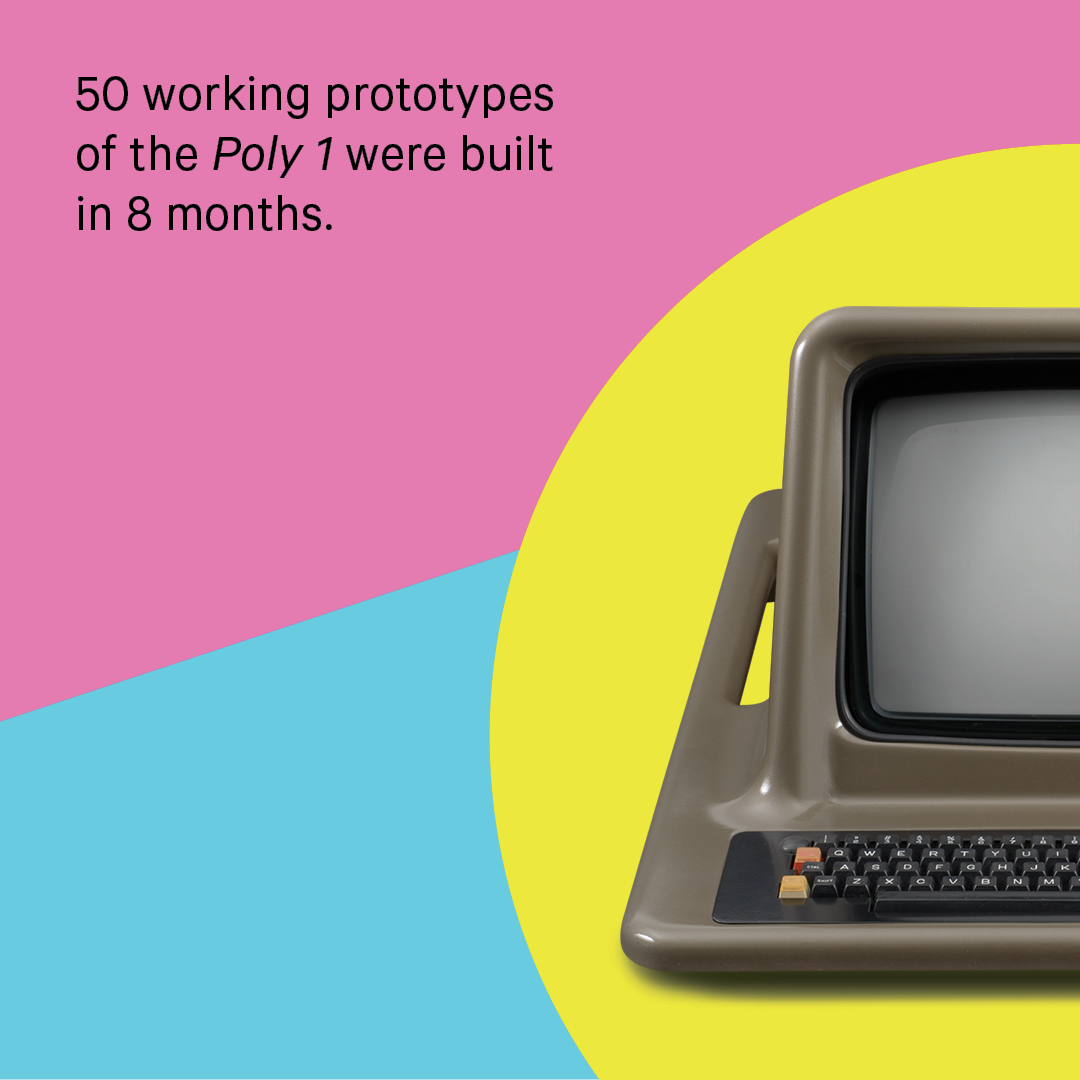
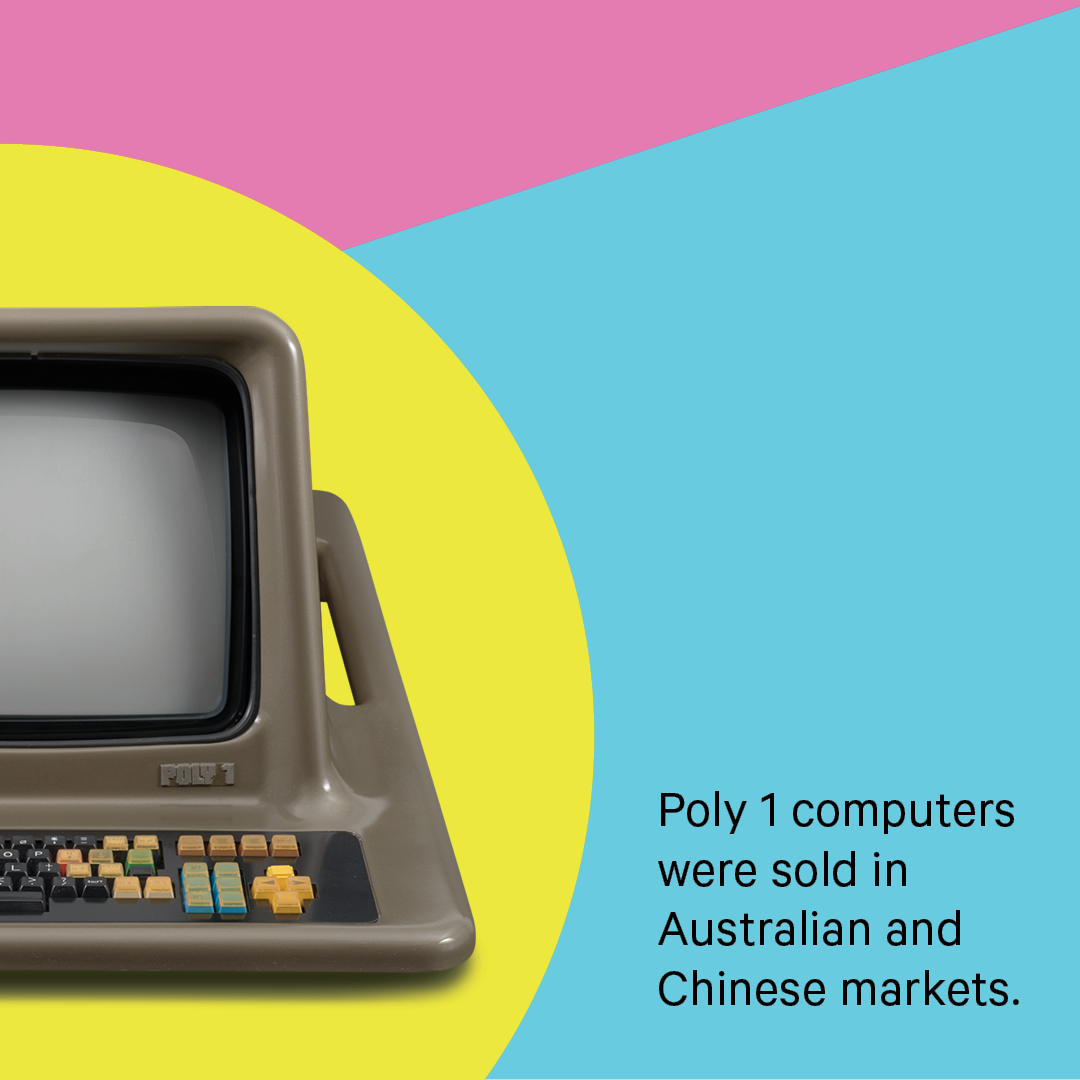
Wellington’s tech sector has always been forward-thinking. Designed by Wellington Polytechnic staff, Neil Scott and Paul Bryant, and students in 1980, Poly 1 was advanced for its time and built for secondary school use.  

Scott and Bryant saw the need for educational computers in schools and successfully pitched the concept to the Department of Education. 

The Development Finance Corporation and Lower Hutt-based software company, Progeni Computers Ltd. joined forces to create Polycorp. The Poly-1 was an all-in-one unit, with a distinctive fibreglass casing, colour display and 64KB of RAM.   

However, Poly 1 never reached its true potential, in 1981 the Department of Education’s agreement to purchase 1,000 computers a year for five years fell through.  

In 1989, Poly-1 was discontinued and Polycorp wound up around 1990 after both the DFC and Progeni Computers became insolvent. 

This machine was built by Polycorp around 1981 and is currently on display in Te Whanganui-a-Tara at Wellington Museum.

Nicky Hager’s Hard Drive


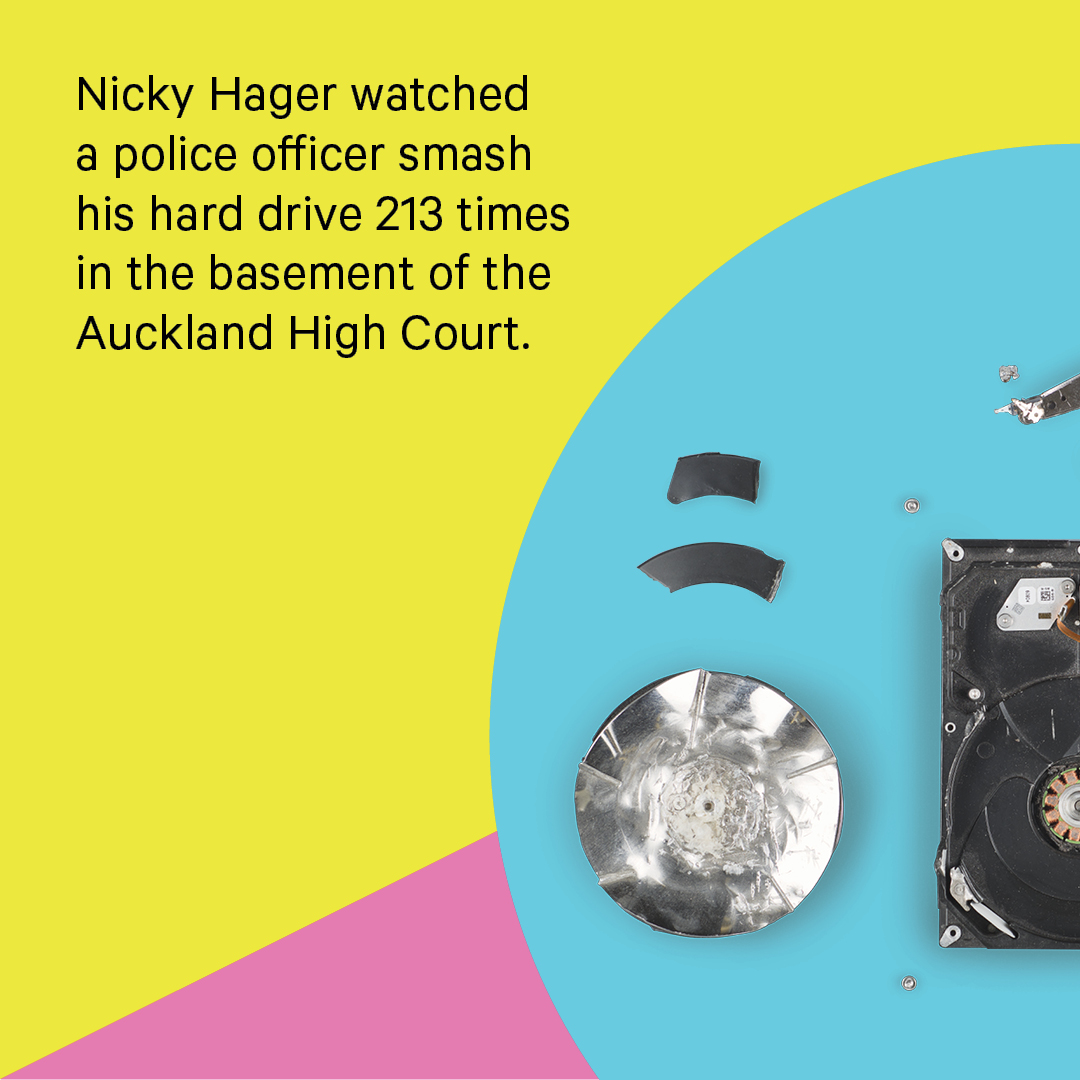
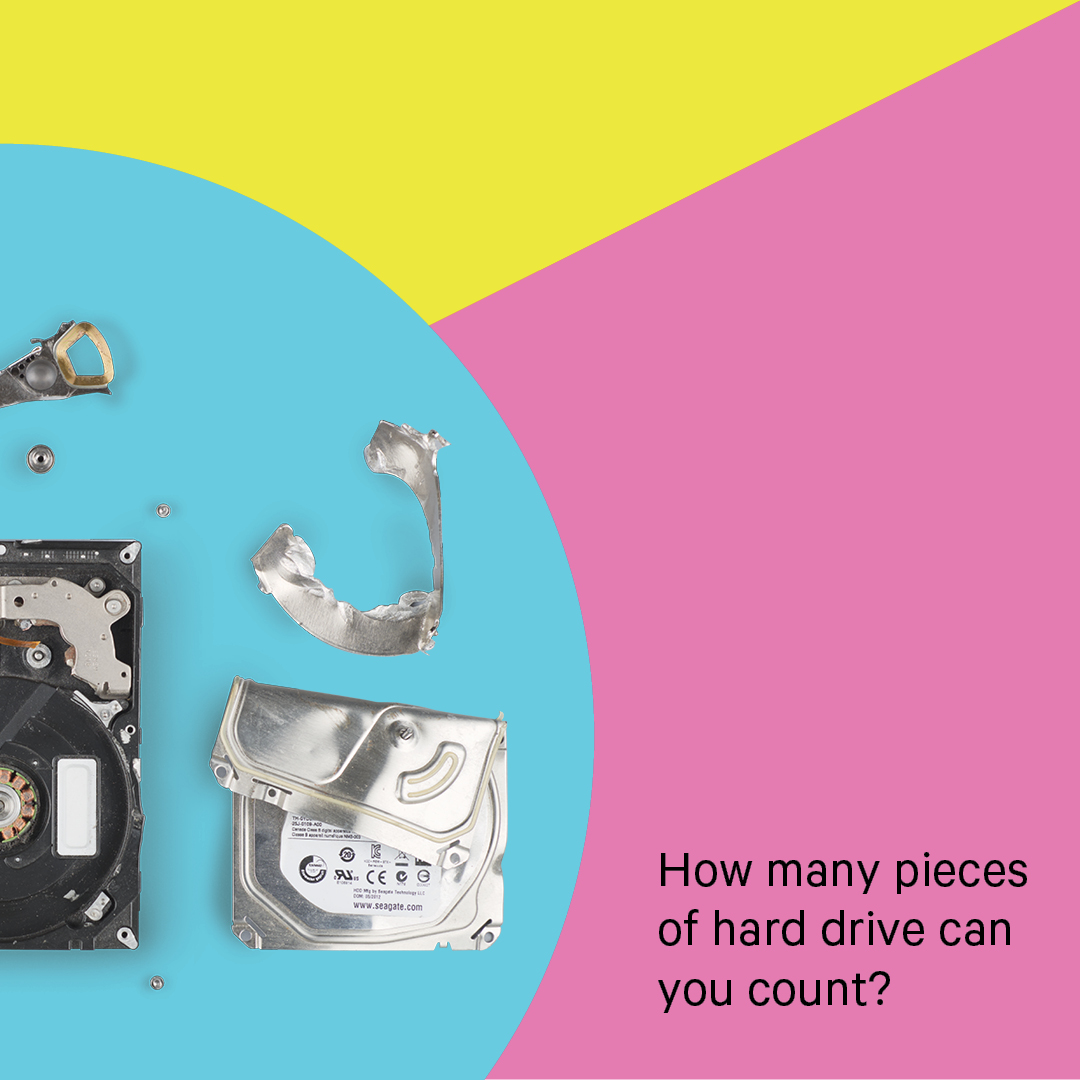
213 hammer blows later, this is, or what’s left of Nicky Hager’s hard drive that contained copies of files seized in an unlawful police raid of his home in 2016.  

In a dramatic end to the drawn-out legal battle, police destroyed the hard drive. An officer smashed it with a hammer 213 times before handing it to the investigative journalist.  

After a 2016 High Court decision that a raid on his home had been illegal, Wellington-based investigative journalist Nicky Hager received this hard drive containing copies of his files from the police. The hard drive had been struck 213 times with a hammer to ‘delete’ other police files on it before it was handed to Nicky.  

Find what’s left of the hard drive on display now in our new exhibition Te Whanganui-a-Tara at Wellington Museum. 

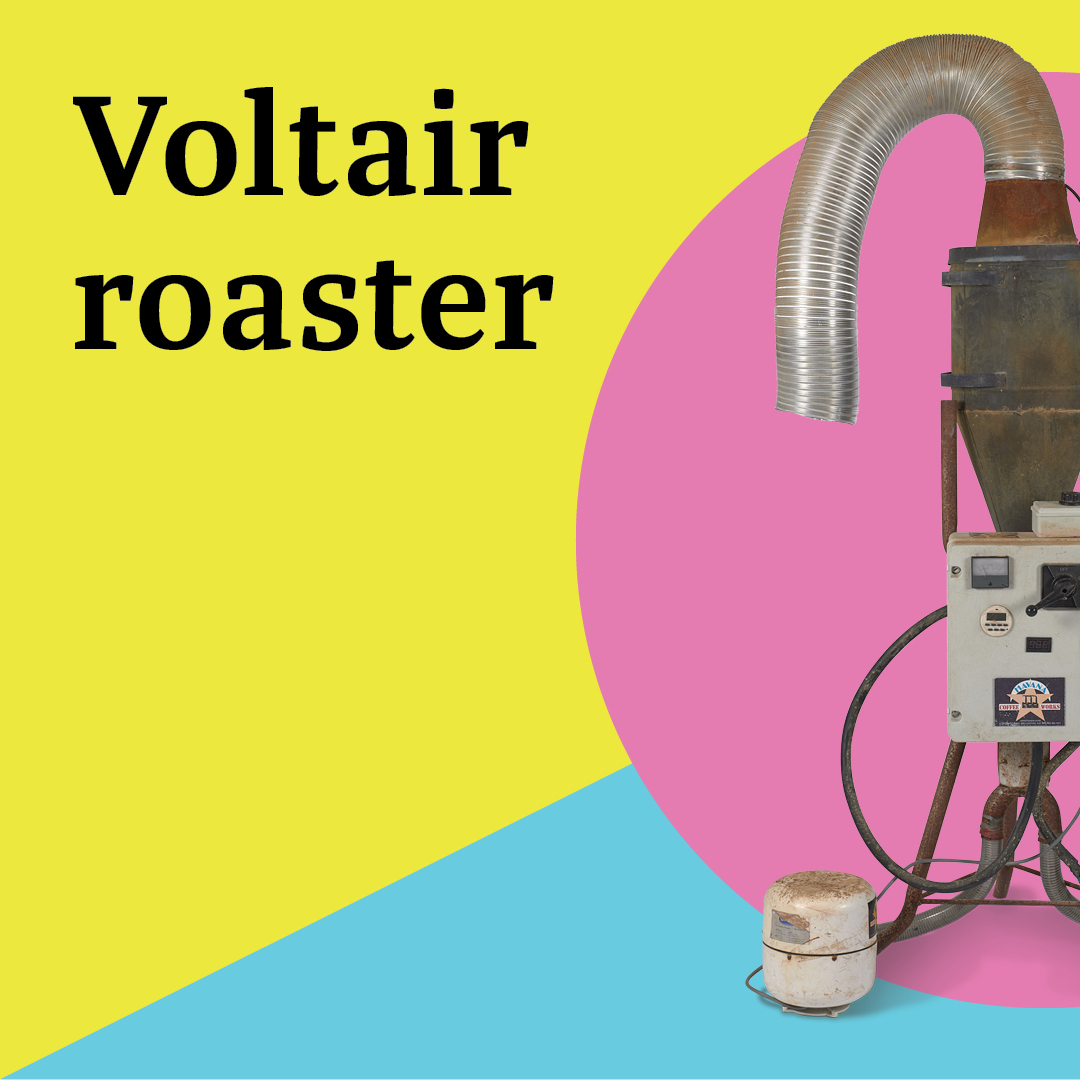
Voltair Roaster


Prone to catching fire, this was the first espresso coffee roaster in Wellington.
 
This is the first espresso coffee roaster in Wellington. Made in 1989 by Tim Rose and Russell Collins, it was prone to catching fire, but roasted beans for a new generation of coffee lovers.
 
In the 1980s instant or drip filtered coffee were all that was available. If you wanted to catch up with friends for a chat in the evening, there weren’t many options – nightclubs were loud and boozy, with restrictive dress codes (no jeans).
 
Then came the espresso revolution. Midnight Espresso opened in 1989 and was hugely popular. More cafés soon followed. Now Wellington has some of the best coffee and café culture in the world.

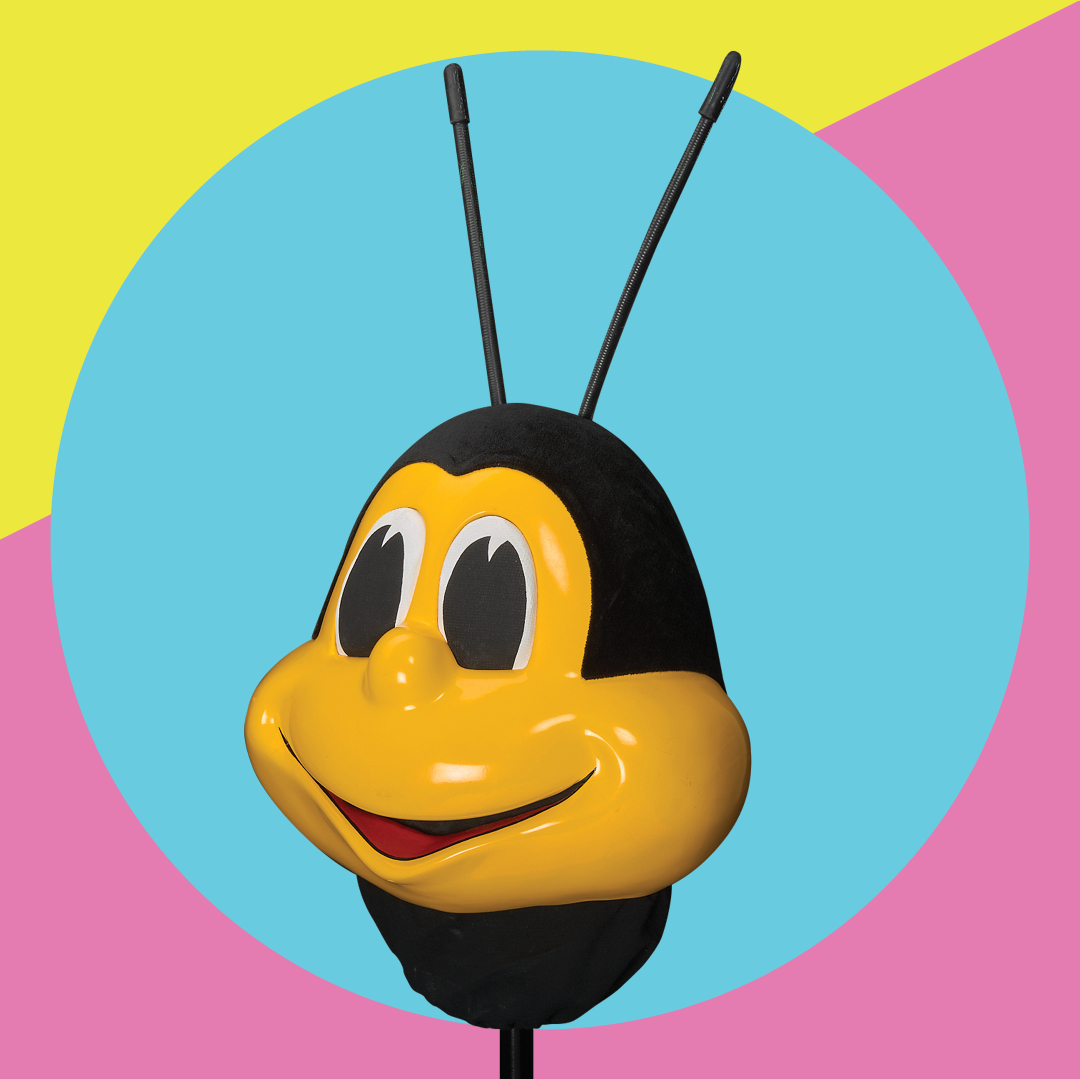
Buzz O’Bumble


Radio host Lindsay Yeo brought Buzz O’Bumble to life for generations of Wellington children.
 
For three decades from 1970 Lindsay Yeo hosted the breakfast radio show in Wellington on 2ZB.
 
Lindsay came up with the idea for Buzz O’Bumble in 1972, and it grew organically. Every morning at 7:50am Lindsay rung this school bell and the Buzz O’Bumble theme song (sung by the Yeo children) would be played. Buzz would then come on the show for a chat with Lindsay, and birthday announcements would be read out to eager listeners.
 
Buzz became very popular. Over the years listeners witnessed his marriage to Pretty Belinda and the arrival of their triplets Bimbo, Bonny and Bobo. There was also the obligatory ‘villain’ Naughty Wally Wētā. The Buzz phenomenon grew during the 1970s – stage shows, TV appearances and five LP records.
 
The Yeo family often toured the lower North Island on weekends, delivering shows in town halls for children and families. These were usually sold out. The noise of screaming, excited children would often be deafening.
 
Lindsay’s wife Jan made the costumes, with the Yeo children wearing the costumes and acting out the characters.
 
The Buzz phenomenon ran for 25 years until Lindsay’s retirement.

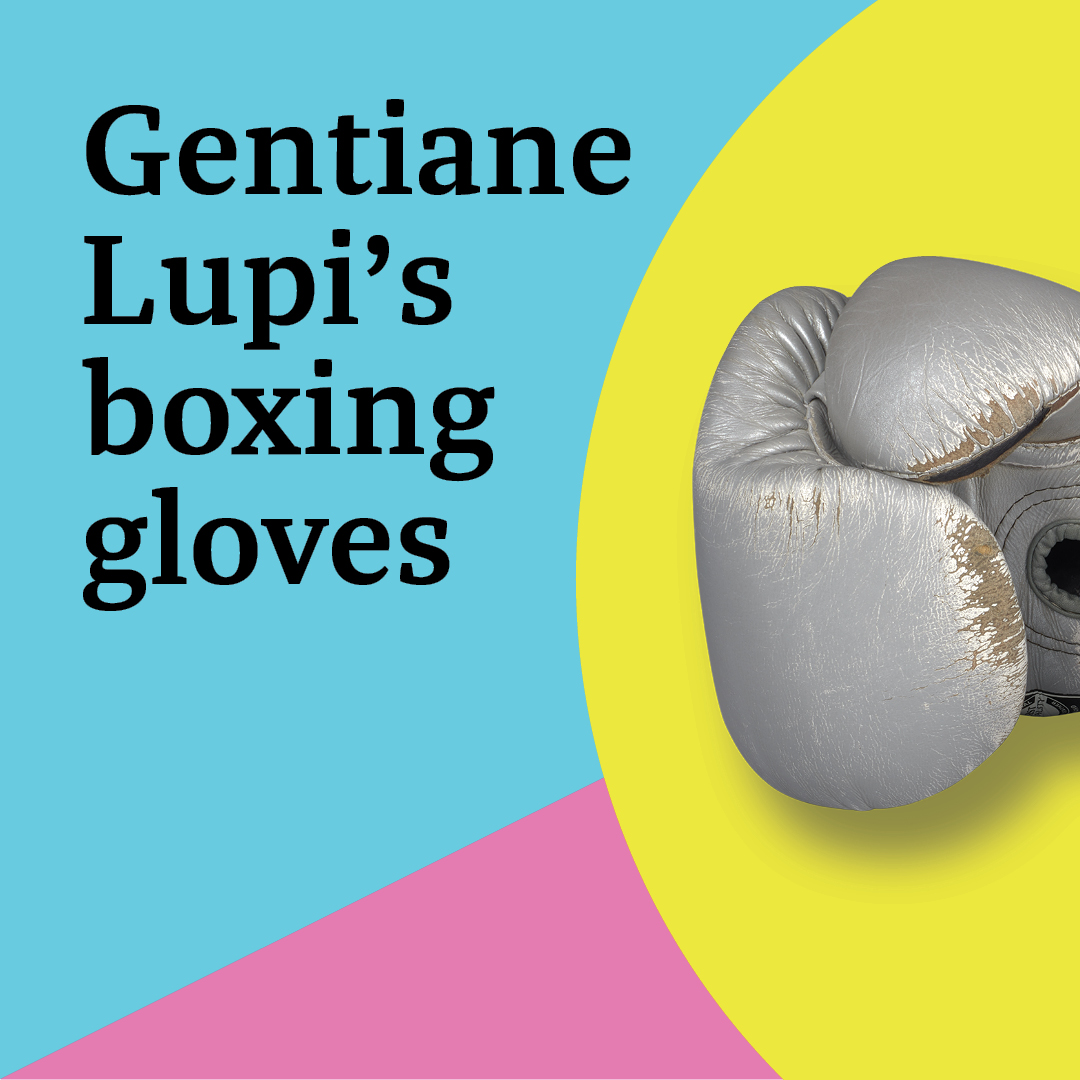
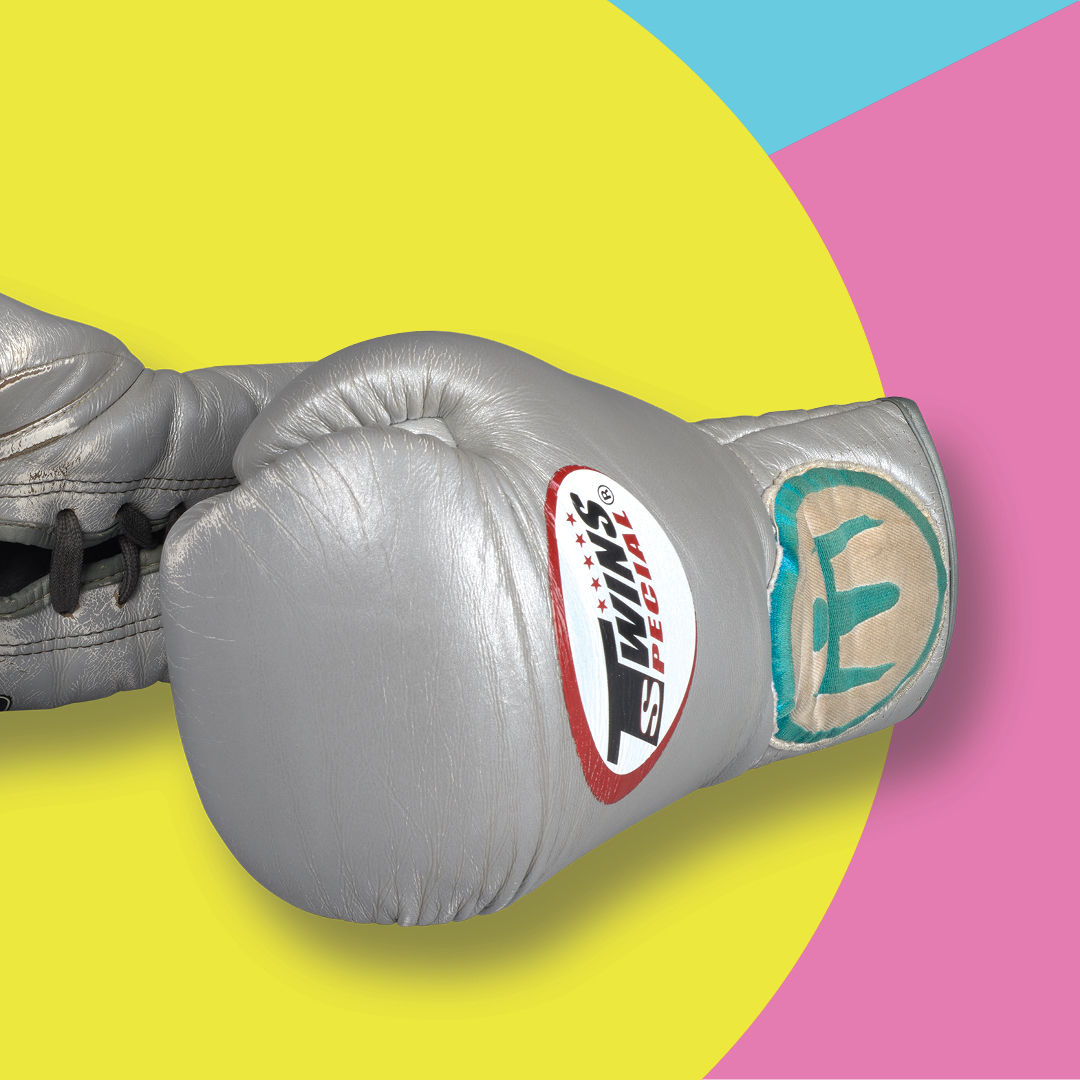
Gentiane Lupi’s boxing gloves


The boxing gloves of Muay Thai world champion Gentiane Lupi.
 
Gentiane Lupi is a world and multi-New Zealand boxing, kickboxing, and Muay Thai champion.
 
She is the former Women’s International Boxing Association World super bantamweight champion and only the third New Zealander to have held a world boxing title.
 
In kickboxing and Muay Thai, she has won seven championships including the World Kick Boxing Federation’s World Featherweight title (2017).
 
In boxing, she has won three titles including the Interim Women’s International Boxing Association World Super Bantamweight title (2015) by technical knockout. She was upgraded to full world champion status later that year. She won her last boxing fight, in 2016 for the WBA Oceania Super Featherweight title by technical knockout.

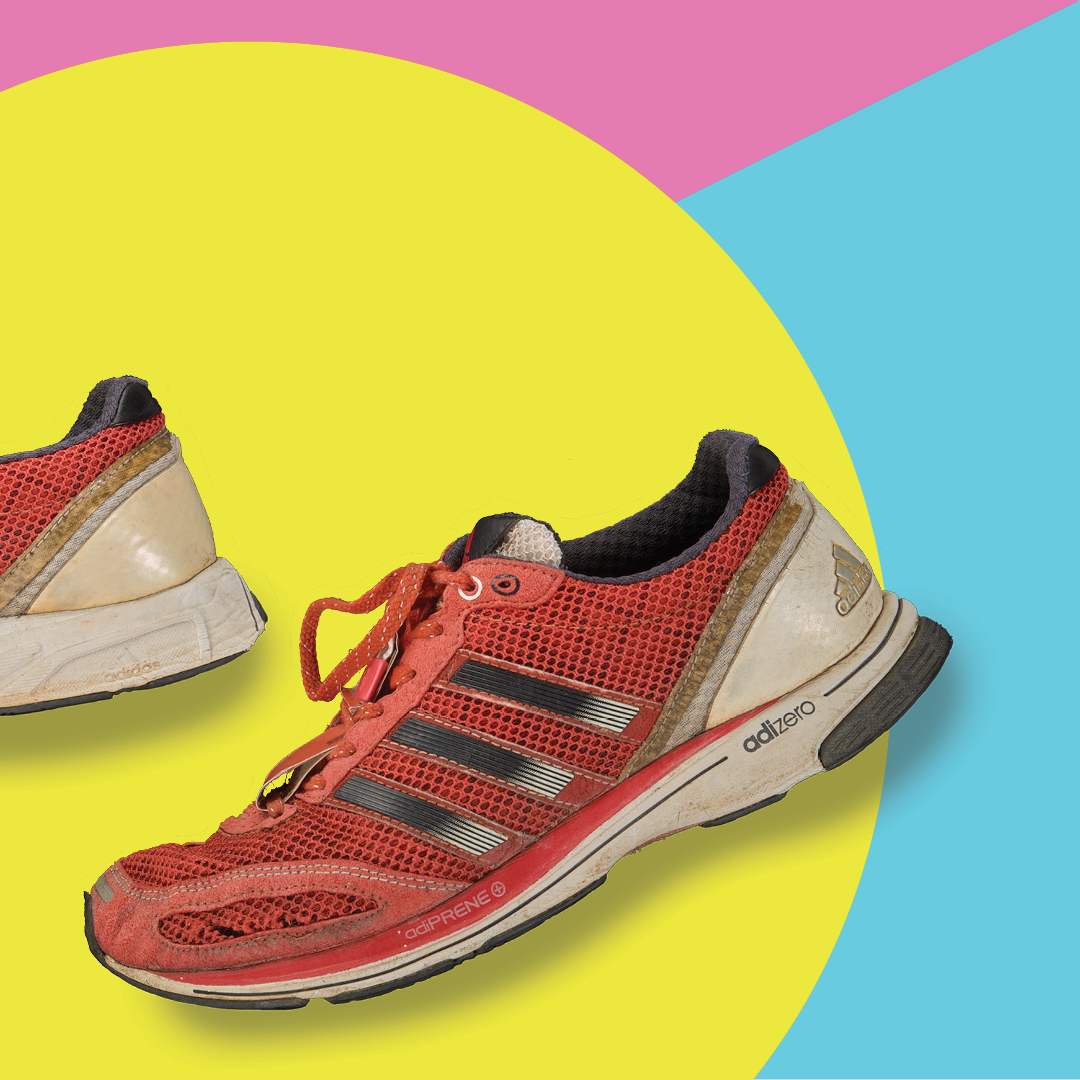
Melissa Moon’s running shoes


Melissa put her best foot forward in these shoes to win the race to the top of the Empire State Building in 2012.
 
Melissa’s impressive career includes winning the race to the top of the Empire State Building (1,576-stair, 86-floors) in 2010 and 2012, claiming two world mountain-running titles, and seven national cross-country crowns. She was New Zealand sportswoman of the year in 2001.
 
Melissa says the shoes she donated to Wellington Museum are special,“ they are the shoes I wore in my last competitive event before I retired from really serious competition.”
 
“I set the goal of ‘wouldn’t it be a wonderful thing to end your career on top of the world’s most iconic building, the Empire State’.”
To train, Melissa attached one-kilogram weights to each foot, ran up the 28 floors of Wellington’s Majestic Centre, two steps at a time, then caught the lift back down and ran back up again – five times in a row. Twice a week
 
Melissa has also worked with vulnerable Wellingtonians for over 20 years, at the Home of Compassion soup kitchen, The City Mission and with other agencies. Melissa is currently a running guide, training with a visually impaired triathlete.

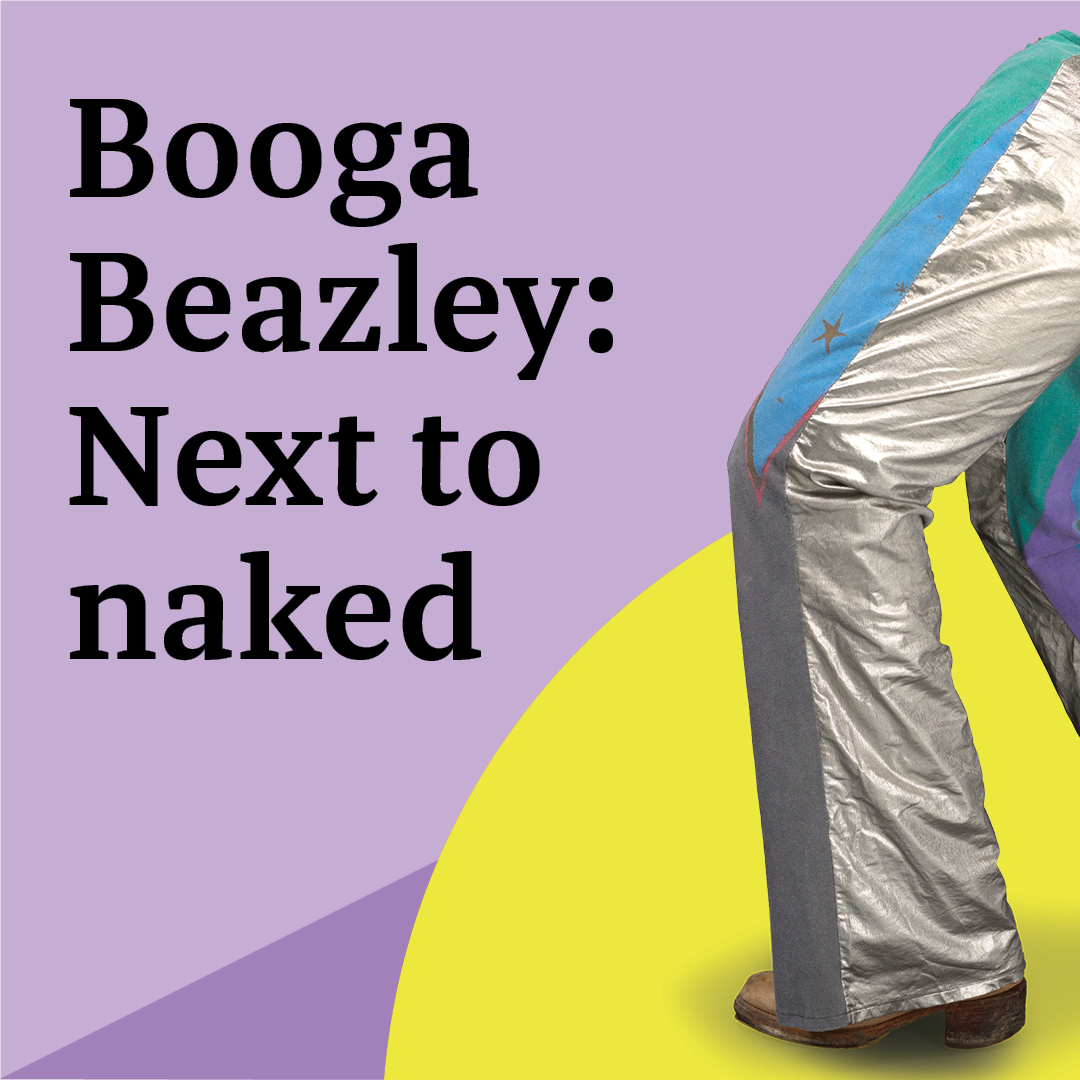
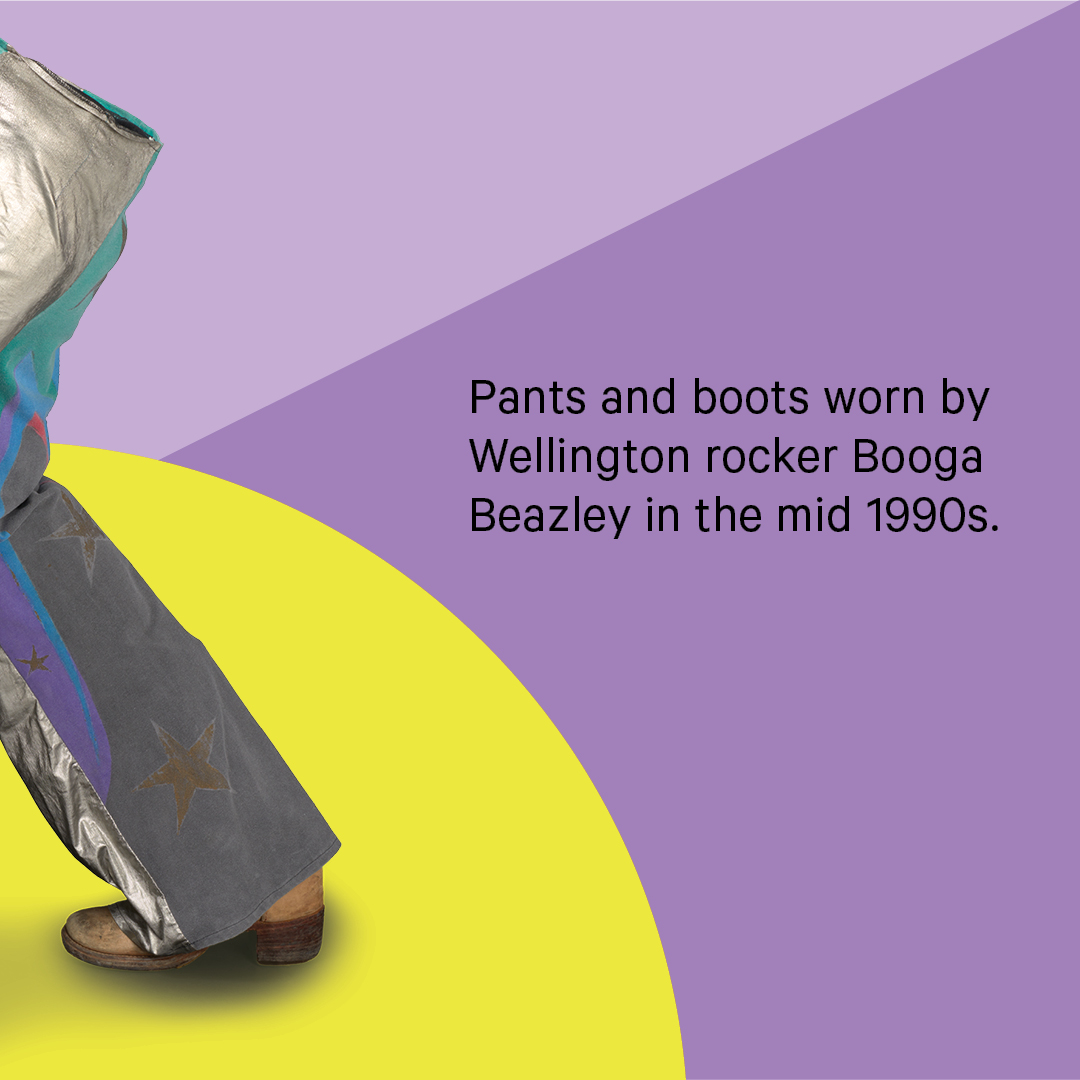
Booga Beazley’s pants and boots


Wellington rock legend Nigel ‘Booga’ Beazley, singer in the band Head Like A Hole, wore these boots and pants during the Big Day Out festival, in Auckland, in 1995. A band with unrestrained energy, humour, and an instinct for outrage, Head Like A Hole were an act to behold. 

Formed in late 1990 the band, which also included Nigel ‘Datehole’ Regan, Mark ‘Hidee Beast’ Hamil and Andrew ‘Tall Beast’ Durno, found an instant reputation for wild and unencumbered live gigs – with several members playing naked.  

Head Like A Hole released a series of metal/funk, hook-laden albums full of cartoonish humour. Gradually their sound became more nuanced, bringing in elements of country music, brass and keyboards with the arrival of Tom Watson and Michael Franklin-Browne taking over the drums from Hamil. Head Like A Hole called it a day in late 2000 after addiction issues had led to internal tensions. They got back together in late 2008, releasing their final album in 2011. In 2017 filmmaker Julian Boshier released a feature-length documentary about the band: Swagger of Thieves. 

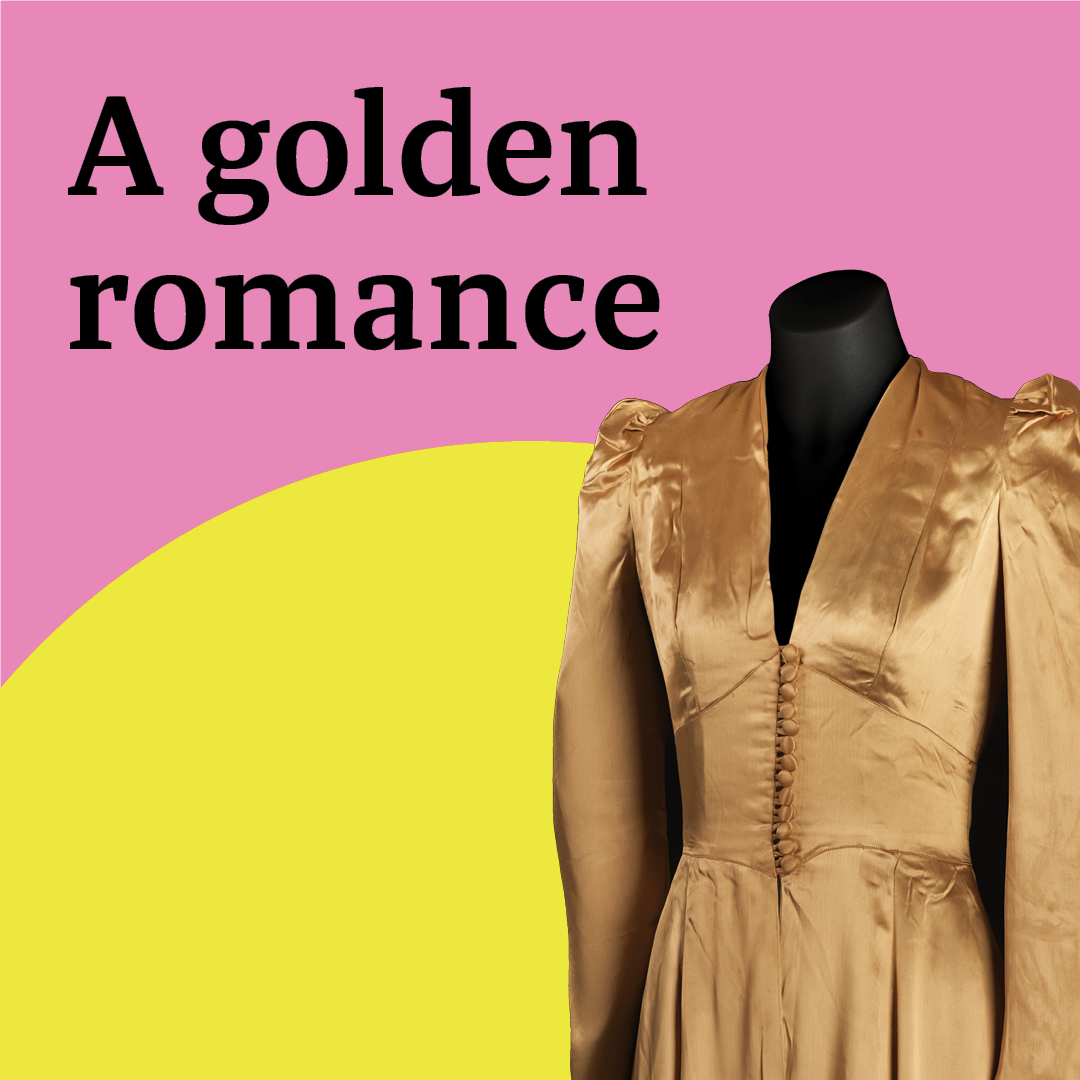
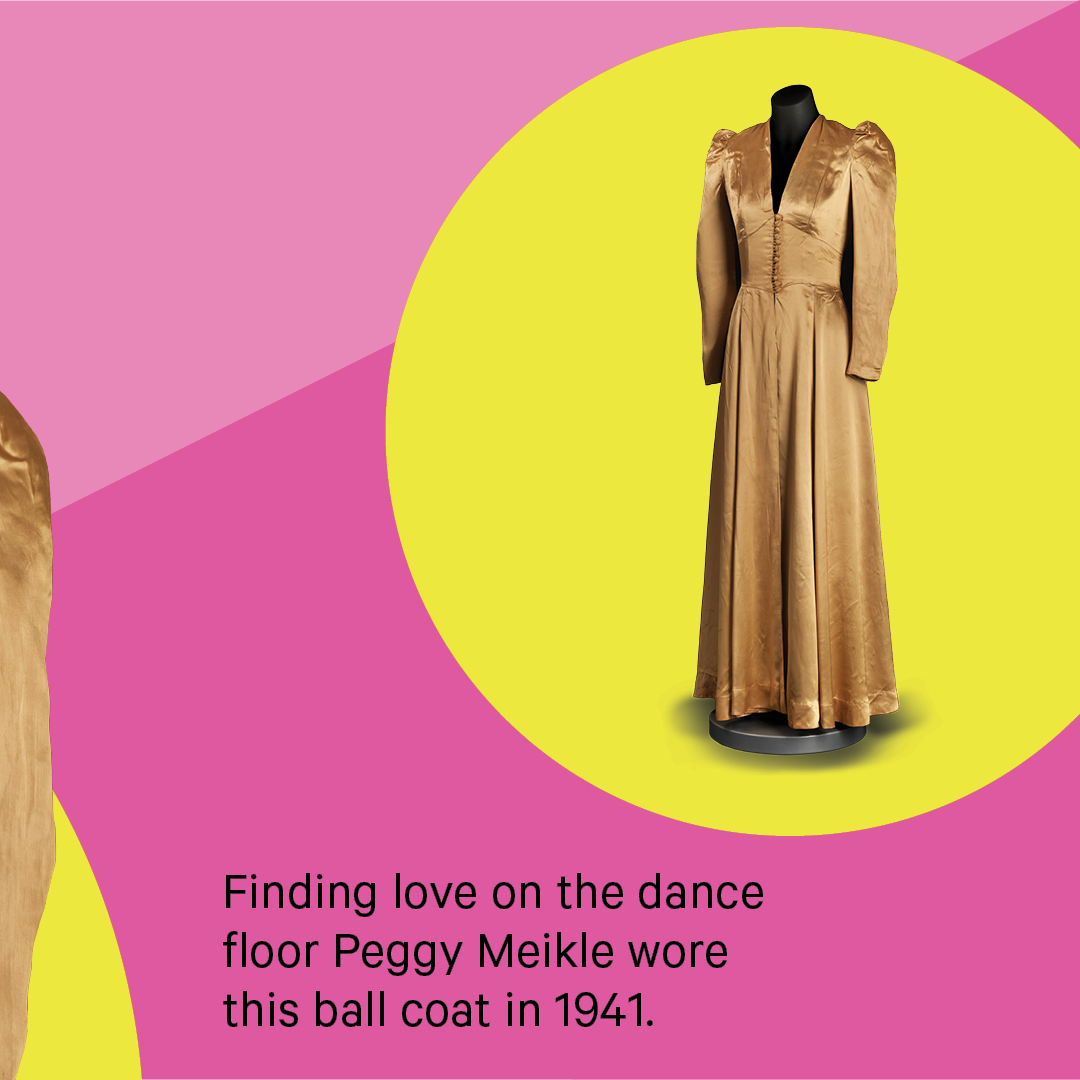
Peggy Meikle’s ball coat and dancing shoes 


One night in 1940, while wearing this coat and these shoes, Peggy Richardson found herself partnered with Bruce Meikle at the Margaret O’Connor Studio of Dancing, on lower Cuba Street. 

Peggy later wrote a memoir recalling her experience of Wellington’s ballroom dancing scene in 1940-41. Of meeting Bruce, she recalls: 

“One night …I was over-awed to find myself – a real novice – partnered by the best dancer in the room, all six feet of him [Peggy was 5 ft 2]. I had to work to keep up with his long strides as he whisked me round the large studio at great pace. Dancing with Mr Meikle was a real thrill, and …as I encountered his merry blue eyes … unbeknown to me, my fate had just been sealed…

There was magic Saturday evenings at the Majestic Cabaret, the high spot in town in the Majestic Theatre on Willis Street. 

They married at Old St Pauls on 21st March 1942.  

The courageous and creative life of Laura Miller


Laura Miller (1870–1953), a talented seamstress of Palawa and European descent, overcame hardship to build a joyful, creative life in Wellington. Born in Tasmania, Laura learned Aboriginal traditions from her mother and sewing from a Hobart dressmaker at age 12. She became a skilled “white worker,” crafting delicate undergarments and blouses.

After two difficult marriages, Laura moved to Wellington in 1907 with her daughters and new husband, William Miller. She opened the Underlinen Bazaar on Adelaide Road, filling its windows with handmade petticoats, nightgowns, and children’s clothing. The family lived above the shop, enjoying music and city life.

In 1926, Laura and William settled in Houghton Bay, growing lush gardens and embracing coastal living. Laura later opened a haberdashery in Island Bay, walking the rugged south coast daily, rain or shine.

Her granddaughter Audrey recalls Laura’s sewing machine whirring with speed and precision, producing well-fitting garments without patterns. Laura’s legacy of resilience and artistry lives on through her family and the objects donated to Te Waka Huia Wellington Museum.

Donating to Wellington Museum


All proposed donations go through an approval process – we cannot accept all items offered to us, although we appreciate the generosity of potential donors. 

Read more about our collections policy and what happens to approved donations here.